Borana Conservancy continues to make significant strides in biodiversity monitoring in Kenya, reinforcing its reputation as a leading wildlife conservation area in Northern Kenya. Recent discoveries across mammals, birds, reptiles and amphibians highlight the strength of Borana’s ecosystems and the success of its long-term conservation efforts.
Historic Hippopotamus Arrival at Borana Conservancy
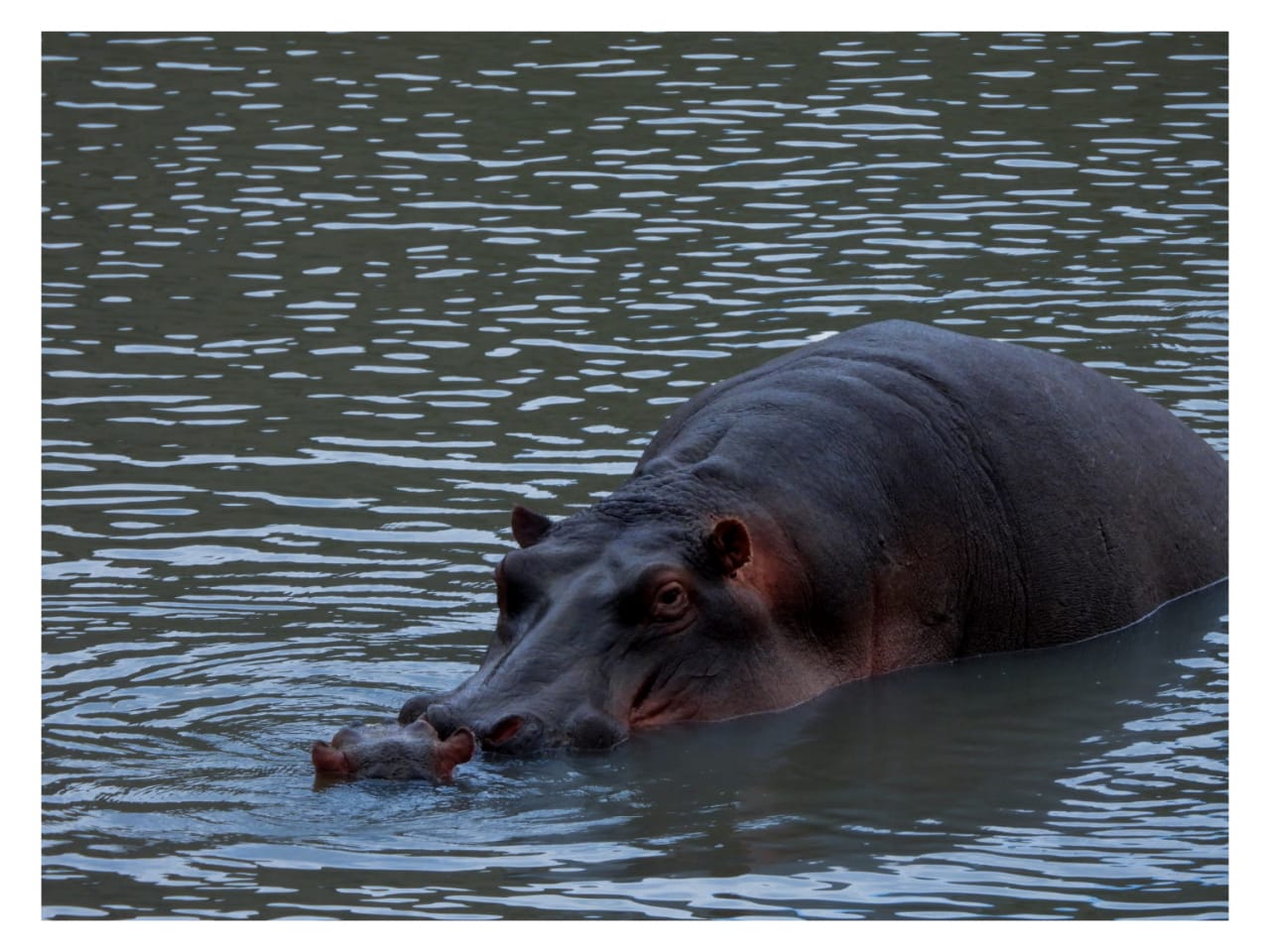
One of the most remarkable recent milestones in Borana Conservancy wildlife conservation is the arrival of the conservancy’s first hippopotamus in living memory. In early 2024, a male hippo settled within the conservancy, later joined by a female believed to have migrated from west of Borana. In August 2025, this pioneering pair welcomed a hippopotamus calf, born in the dam below Borana Lodge. This historic birth marks a major ecological milestone for the Laikipia Plateau and underscores the importance of protected habitats and water systems in supporting large mammal populations.
Rare and Elusive Mammals Recorded on Borana Conservancy
Alongside the return of hippos, Borana Conservancy has recorded sightings of several rare and elusive mammal species, further cementing its status as a Kenya biodiversity hotspot. Recent additions to the mammal list include:
- Egyptian Mongoose
- African Civet
- Marsh (Water) Mongoose
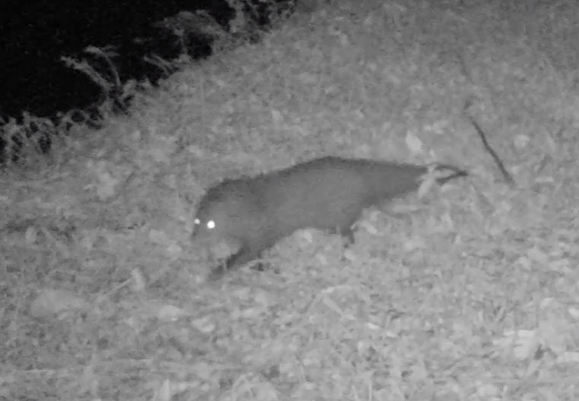
- Crested (Maned) Rat
- African Clawless Otter
Camera Trap Project Supporting Wildlife Monitoring
Many of these discoveries have been supported by Borana’s ongoing Camera Trap Project, a vital tool in wildlife monitoring and research in Kenya. This initiative continues to reveal the presence of small-to-medium nocturnal and crepuscular mammals that were previously undocumented within the conservancy. Camera traps play a crucial role in understanding species distribution, behaviour and population trends, contributing valuable data to Borana’s long-term conservation strategy.
Borana Conservancy: A World-Class Birding Destination
Borana Conservancy’s bird list has now reached an impressive 425 confirmed bird species, with an additional 35 species pending verification through photographic or audio evidence, largely sourced from eBird Kenya records.
This remarkable tally positions Borana as a world-class birding destination in Kenya, rivalling national parks in terms of avian diversity. From soaring raptors to rare songbirds, the conservancy offers exceptional birdwatching opportunities for both expert ornithologists and amateur birders.
Growing Reptile and Amphibian Diversity at Borana
Borana’s Reptile and Amphibian List has also seen exciting new additions, reflecting the diverse microhabitats found across the conservancy. Newly recorded species include:
- Red-spotted Beaked Snake
- White-lipped Snake
- East African Garter Snake
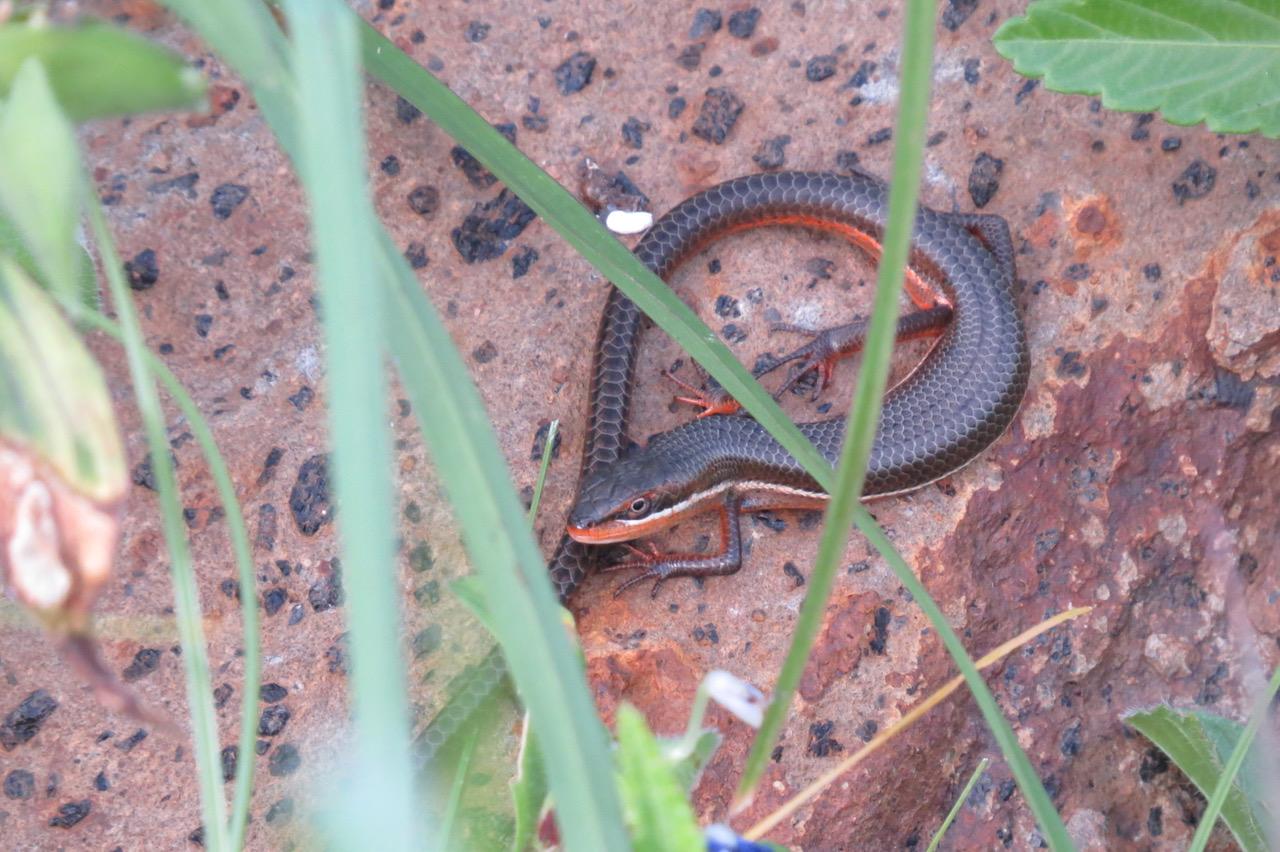
- Long-tailed Skink
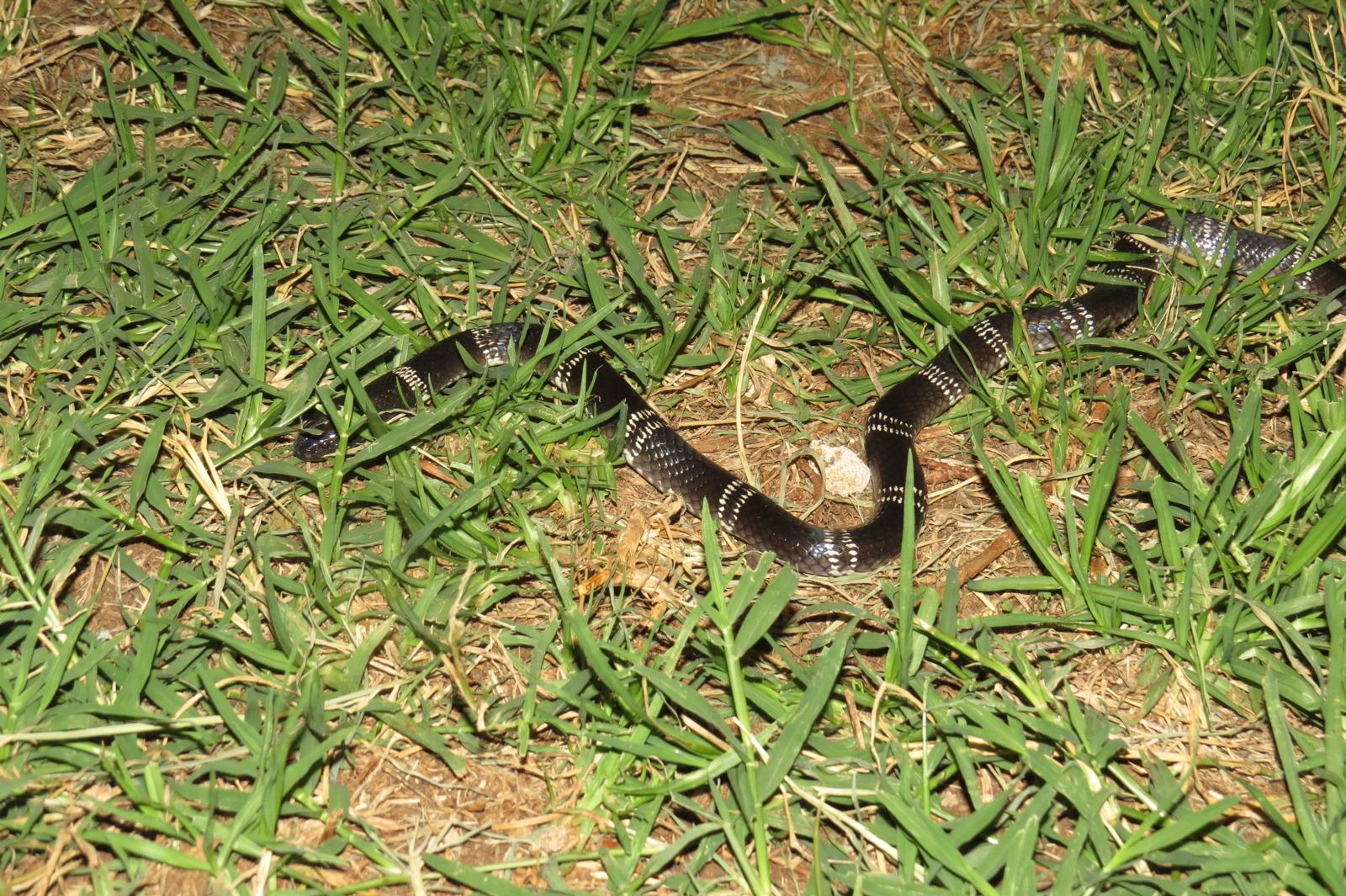
These sightings add to a growing picture of Borana as a refuge not only for large iconic species but also for lesser-known, yet ecologically important, reptiles and amphibians.
Conservation Success Through Long-Term Biodiversity Monitoring
These biodiversity discoveries provide compelling evidence of ecosystem health, successful habitat protection, and the positive impact of Borana’s long-term conservation initiatives. By continuously monitoring and documenting wildlife, Borana Conservancy gains valuable insights into species trends, migration patterns and climate resilience, helping guide future conservation management and sustainable tourism practices. Borana Lodge and Borana Conservancy remain committed to protecting Kenya’s natural heritage, and we look forward to sharing further biodiversity updates as research and monitoring continue.