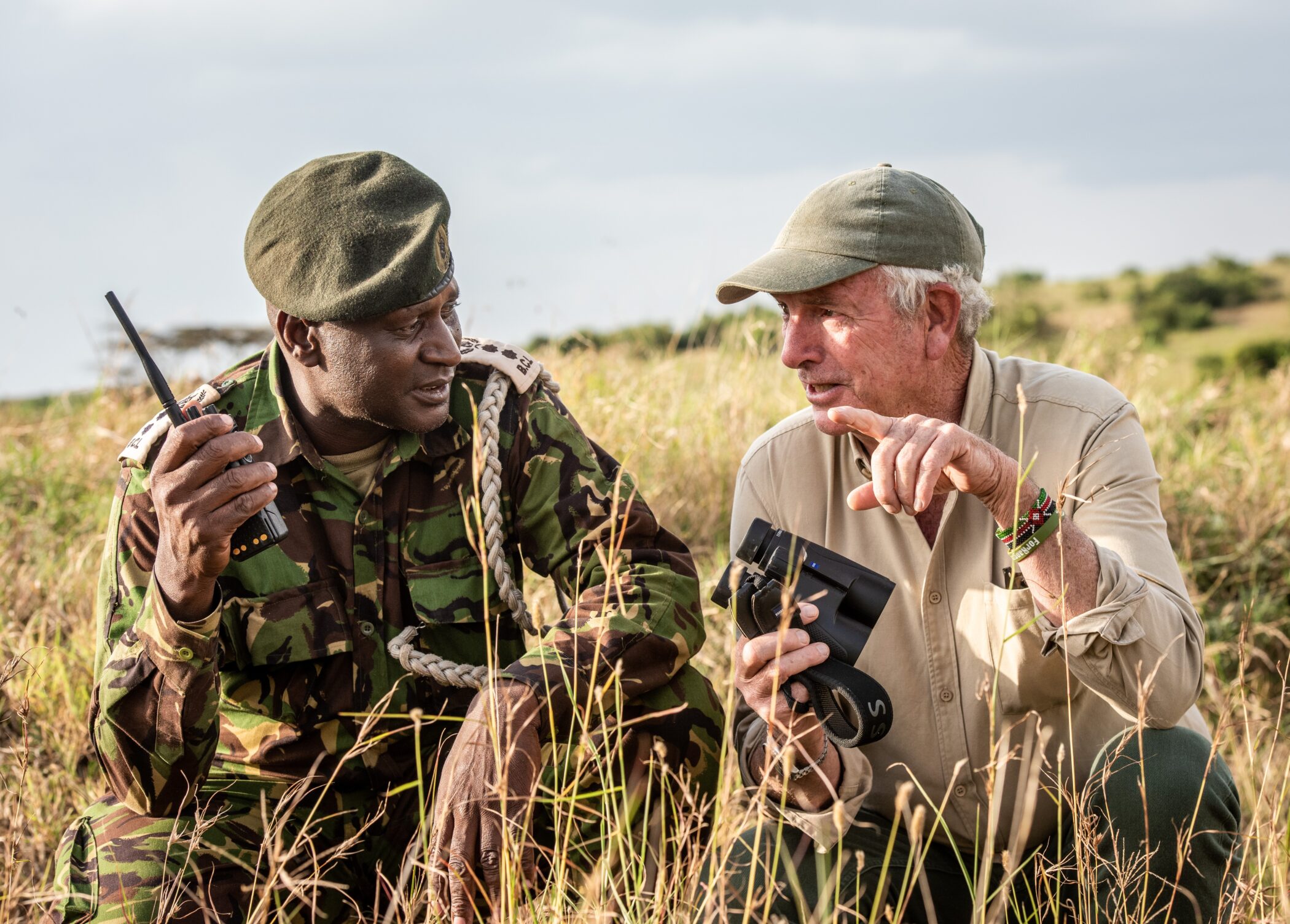
Michael Dyer, founder of Borana Conservancy in Kenya, and Giles Davies, Non-Executive Chairman of Borana Ranch, recently spoke with travel journalist Robbie Hodges about the future of African safari tourism. The conversation formed the basis of a feature published by Globetrender, the leading travel trend forecasting platform.
Their discussion explored how safari travel in 2036 could evolve through a combination of regenerative tourism, innovative conservation models and technology operating quietly behind the scenes.
Located on Kenya’s Laikipia Plateau, Borana Conservancy has spent more than three decades developing a model where wildlife conservation, community development and sustainable tourism are carefully interconnected.
According to Michael and Giles, the safari experience of the future will be shaped by:
- Invisible technologies that strengthen conservation
- Restored frontier landscapes where wildlife can roam freely
- A serious commitment to solving Africa’s youth employment challenge
As Borana launches an ambitious ten-year strategy, its leadership is openly examining both the risks and opportunities facing conservation-led tourism in Africa.
Borana Conservancy: A Living Laboratory for Regenerative Tourism
If regenerative tourism represents the future of travel, Borana Conservancy is already implementing many of its principles.
Under Michael Dyer’s leadership, Borana has delivered measurable environmental and social impact across northern Kenya.
Key achievements include:
- 726,000 litres of water distributed to eight neighbouring communities
- Helping restore Kenya’s critically endangered black rhino population to around 200 individuals across the Lewa–Borana Landscape
- A Breakfast Club programme providing daily meals to more than 7,500 students across 22 primary schools and seven early childhood centres
- $1.27 million invested in conservation in 2024 alone
However, Michael Dyer emphasises that these milestones represent only the foundation for future work.
“We have to plan for volatility,” he explains. “Climate risk, demographic pressure and shifting capital flows are real. Our strategy is about resilience.”
Borana’s new ten-year strategic framework focuses on four pillars:
- Conservation Impact
- Social and Economic Impact
- Funding Landscape Impact
- Governance and Ethical Impact
Alongside these priorities, the board conducts an annual risk management process, mapping more than 25 long-term dynamics ranging from climate and water security to AI, youth employment and global tourism trends.
As Giles Davies explains:
“We can’t forecast the future, but we can think systematically about it.”

The Biggest Threat to Conservation Tourism: Weak Financial Circularity
While climate change is often viewed as the greatest threat to safari destinations, Michael and Giles argue that financial structure may pose an even bigger risk.
Giles describes the challenge as weak financial circularity, when too little tourism revenue is reinvested into the ecosystems that support it.
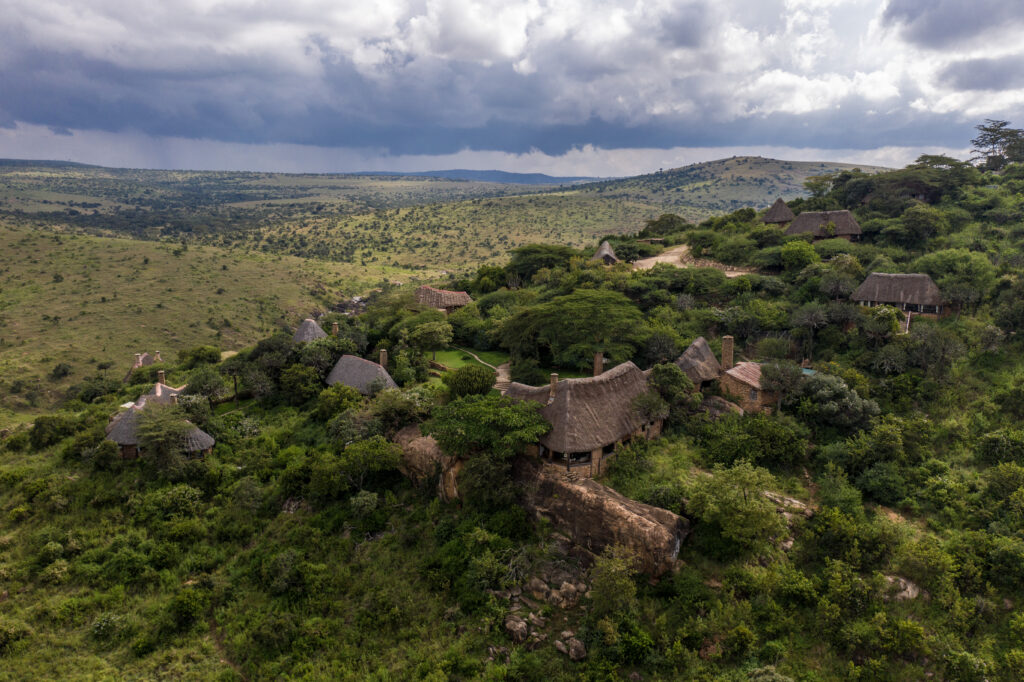
Borana Lodge provides a compelling example of how this can change;
- 24% of Borana Lodge’s published rate is allocated directly to conservation
- Despite having only eight cottages, the lodge generates more than $700,000 annually for nature protection
If this approach were replicated across Kenya’s tourism industry, Giles estimates it could unlock an additional $200 million per year for conservation.
Meanwhile, African tourism is forecast to grow by roughly 11% annually through 2030. While this growth signals opportunity, it also raises concerns around overcrowding, declining exclusivity and pressure on fragile ecosystems. Population growth, expanding infrastructure and shrinking wildlife habitats are already increasing strain on conservation landscapes.
“Conservation-led tourism must prioritise natural capital returns, not just shareholder returns,” says Michael, “Regenerative best practice must become the norm.”
Global Investment in Africa: Will It Support Conservation?
Safari tourism in Africa already generates over $20 billion annually, and projections suggest the sector could triple in value by 2030. The question facing the continent is whether that growth will strengthen conservation efforts or undermine them.
Michael believes Africa must increasingly internalise its philanthropy, ensuring that nature receives a defined and equitable share of tourism revenue. Giles warns that much of the capital currently flowing intoAfrica remains nature-negative, accelerating infrastructure development and agricultural expansion faster than sustainability safeguards can keep pace.
Borana’s integrated livestock and wildlife model offers an alternative approach, demonstrating how food production and biodiversity conservation can coexist on the same landscape. This balance will become increasingly important as land-use pressures intensify across EastAfrica.

The Role of Technology in the Future of Safari Tourism
Technology will play a major role in shaping safari tourism, but much of it will remain largely invisible to guests. At Borana and across the wider Lewa–Borana landscape, new technologies are already supporting conservation through:
- AI-enabled wildlife surveillance systems
- Real-time satellite and remote sensing data
- Advanced monitoring platforms for anti-poaching patrols
At the same time, innovations in renewable energy, water management and low-impact infrastructure are helping safari lodges reduce environmental impact while improving resilience.
However, both leaders caution against introducing immersive technologies that could disrupt the authenticity of wilderness travel. The core safari experience of being immersed in nature must remain intact. Innovation, they argue, should enhance sustainability without distracting from the landscape itself.

A Social Imperative: Youth Employment and Local Access
Perhaps the most significant transformation in African tourism over the next decade will be social rather than technological. For much of the past century, African safaris have largely been inaccessible to African citizens due to cost. Michael believes that future conservation success depends on local communities feeling genuine ownership of their natural heritage. At the same time, Kenya faces a rapidly growing youth unemployment challenge. Even the most successful conservation models, Giles Davies argues, could become fragile without broader social stability.
Long-term solutions will require:
- Skills development and training programmes
- Local enterprise creation
- Sustainability-linked employment beyond tourism roles
The future of conservation tourism will therefore depend not only on protecting wildlife, but also on creating economic opportunity for surrounding communities.

Safari Tourism in 2036: What Success Looks Like
For Borana Conservancy, success in 2036 will not simply mean profitable lodges or thriving wildlife populations. Instead, it will mean sustaining a healthy landscape supported by a resilient social and economic ecosystem.
That future would include;
- Wildlife moving freely across connected conservation areas
- Improving livelihoods for neighbouring communities
- Durable financial models that reinvest tourism revenue into nature
- Meaningful employment opportunities for Africa’s growing youth population
If these conditions can be achieved, safari tourism will not merely survive the coming decades, it will become one of the world’s most powerful models of regenerative travel.
